local chatter: Between History and Imagination: The Gibbes Museum
09 May 2026
A glimpse into the future of one of Charleston’s most acclaimed museums
Written By: Julie Deacon
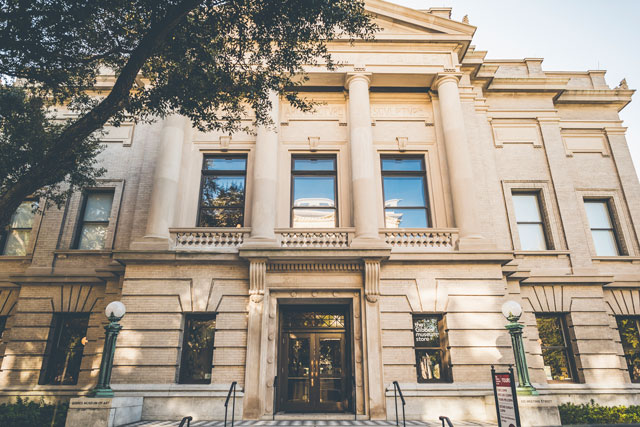
At the Gibbes Museum of Art, the past is never a fixed point. It lingers in the building’s Beaux-Arts façade, in collections that trace Charleston’s artistic lineage, and in the quiet continuity of a museum that has shaped the city’s cultural identity for more than a century. Yet just as present is a sense of forward motion—an understanding that the role of a museum, like the audiences it serves, is always evolving.
That evolution is unfolding with intention. Under the direction of President and CEO H. Alexander Rich, Ph.D., the Gibbes is entering a period defined less by reinvention than by expansion—of scope, of access, and of experience. The question is not how to replace what the museum has long been, but how to extend it: how to create a space that remains grounded in Southern art and history while opening outward to a broader, more dynamic cultural conversation.
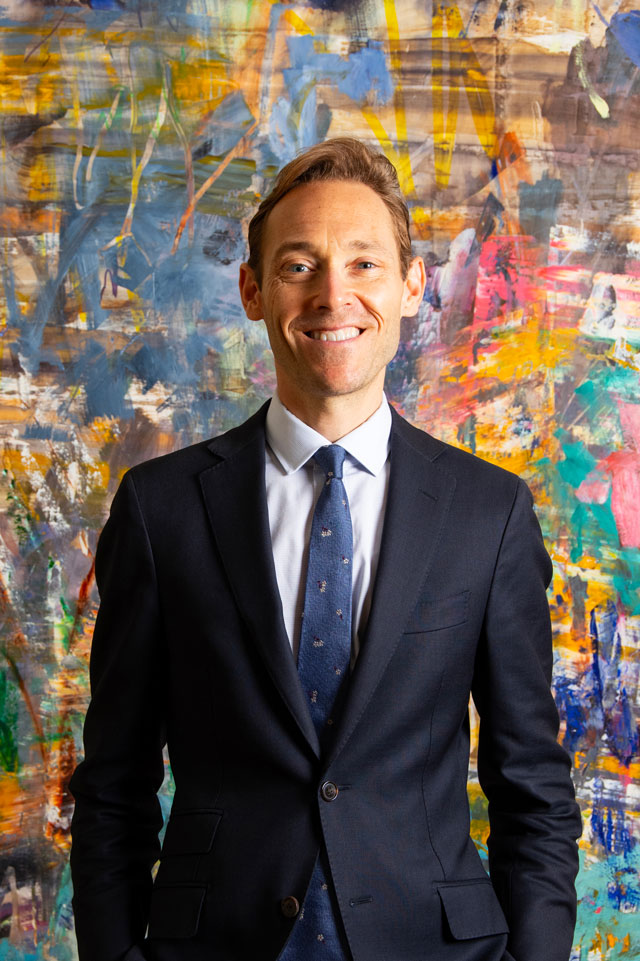
One example of that vision is the museum’s recent exhibition of works by Auguste Rodin. While many visitors recognize his name, the experience of seeing his sculptures in person is something else entirely. They’re meant to be viewed from every angle, changing with the light and revealing new details as you move around them. For Rich, the exhibition serves as both a continuation of the museum’s work and a signal of where it’s headed.
“Rodin is one of those artists that everyone knows—whether officially by name or not,” he says. “The ability to showcase a single Rodin, let alone fourteen, draws broad audience interest and inherently elevates the conversation we have about a museum’s place in the museum world. But what matters just as much is what happens after that first encounter—how we invite visitors to keep moving, to keep looking, to discover something they didn’t expect to find.”
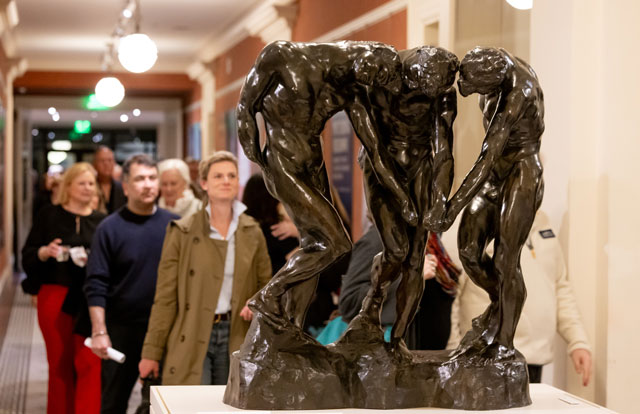
That sense of invitation shapes the museum’s direction. In a single visit, audiences might move from the sculptural intensity of Rodin to exhibitions rooted in the American South, including work by artists such as Leo Twiggs. The pairing is intentional, bringing the globally recognized into conversation with the regionally specific, and the familiar alongside the unexpected.
“We hope to continue to be celebrated for our commitment to the art of the South,” Rich says, “but we will also make sure that we meet broad audiences with art from across the globe and across time. The goal is to provide wide experiences for wide audiences—and to make sure that every visitor finds a point of connection, even if they didn’t come in expecting it.”
If the exhibitions shape what visitors see, the museum’s evolving approach to experience shapes how they see it. For Rich, the foundation is clear, even if its application is constantly shifting.
“Museums are, at their core, institutions of learning,” he says. “They should be dedicated to that educational mission in every program and every exhibition. But learning should never be divorced from enjoyment. Going to a museum should not feel like taking a bitter pill—it should feel engaging, even exciting. It should meet people where they are, and then gently push them beyond that.”
That philosophy is guiding a quieter but equally significant transformation within the museum’s walls. From reconsidering gallery flow and signage to expanding programming that brings artists and curators into direct conversation with audiences, the Gibbes is reshaping the visitor experience into something more intuitive, more welcoming, and more participatory. At the same time, it is responding to a cultural landscape where attention is more divided than ever, and audiences expect to engage in new and different ways.
“Everyone learns in different ways,” Rich says. “Our younger generation, especially, often needs something more to seize their attention. We’re exploring ways to enhance the experience—whether that’s through digital tools, auditory elements, or more immersive opportunities—while still preserving the essential act of slow-looking. It’s not about choosing one or the other. It’s about creating a museum that can do both.”
That balance—between innovation and continuity—finds one of its clearest expressions in the museum’s plans for expansion. Slated to open in 2027, the Gibbes’ new Education Center will occupy an entire floor, reflecting a deepened investment in accessibility and lifelong learning. For Rich, the initiative is as personal as it is institutional.
“My earliest memories were visiting the Metropolitan Museum of Art,” he says. “Those experiences shaped how I understand the world through art. They weren’t just moments of looking—they were moments of discovery. And I know how formative that can be, especially for children.”
The goal, then, is not simply to expand programming, but to broaden its reach—to create a space where learners of all ages can engage with art in ways that feel meaningful and lasting.
“We want the Gibbes to be seen as an educational hub region-wide,” Rich says. “If we can fill in the gaps where arts education may be lacking, while also offering opportunities for teens and adults to continue learning, then we’re fulfilling our mission. Art education has the power to shape how people think, how they see themselves, and how they understand others.”
In Charleston, that work carries additional weight. The city’s history—layered, complex, and often contested—demands thoughtful interpretation, and the museum plays a role not only in preserving that history, but in continually reexamining it.
“Our responsibility is to tell the most complete story we can,” Rich says. “That means embracing Charleston’s history while also reexamining it through a contemporary lens—providing the nuance that today’s audiences expect and deserve. The past is never simply past; it’s something we return to, reinterpret, and learn from again and again.”
That perspective extends into the museum’s upcoming programming, which reflects a wide-ranging and forward-looking agenda. Exhibitions featuring artists such as Mary Whyte, alongside major showcases exploring African American craftsmanship and the pursuit of independence, signal a continued commitment to both regional voices and broader historical narratives. Seasonal programming tied to national milestones and new acquisitions will further shape the museum’s evolving identity, offering visitors multiple ways to engage with its collections.
“Museums cannot be slumbering tombs of the past,” Rich says. “They need energy. They need dynamism. They need to be places people want to return to—not out of obligation, but out of genuine interest and excitement. That’s the challenge in front of us, and it’s one we’re embracing.”