Tastemakers: The Food & Wine Classic Effect
02 Sep 2026
How Charleston Signature Experiences elevate an entire community
Sept-Oct 2026
Written By: Liz Regalia
Southern foodies tend to fall into one of two camps: adventurous trend chasers and comfort-seeking traditionalists who think fried chicken can fix just about anything—and who are we to argue? Lucky for those of us in the Lowcountry, we don't have to choose.
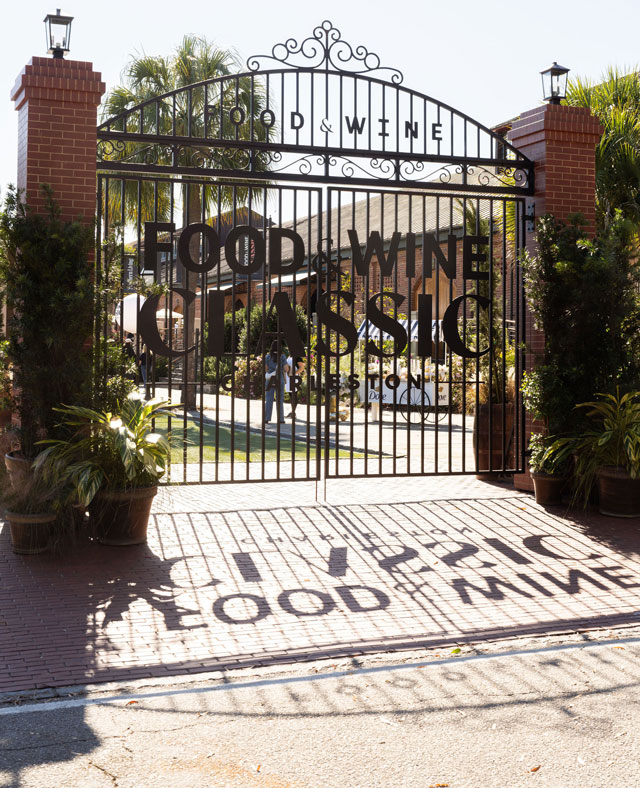
For the third fall in a row, the Food & Wine Classic brings the best of these two culinary worlds together in Charleston, spotlighting celebrity chefs and hospitality trendsetters alongside hometown culinary heroes for three days of tastings, cooking demonstrations, and spirit samplings. The star-studded roster includes the likes of Tyler Florence and Andrew Zimmern, plus local legends such as FIG’s Mike Lata and Chubby Fish’s James London.
But the festival has generated more than culinary buzz. By partnering with Charleston businesses to offer visitors unique local experiences—from waterfront excursions to historical walking tours—it's creating a positive impact on the community.
We caught up with festival planners, plus three Charlestonians curating experiences during the 2026 Food & Wine Classic, for a behind-the-scenes look at what's in store this November, and the economic, environmental, and cultural benefits the festival will leave behind.
A National Culinary Event Rooted in Holy City Hospitality
"The Food & Wine Classic is designed to bring people together in a way that feels true to Charleston: over great food, drinks, and conversation," explains Jacqui Gifford, editor-in-chief of Travel + Leisure, one of three brands responsible for curating exclusive experiences at the event each year.
"For visitors, the Food & Wine Classic is a chance to experience the city through the chefs, restaurants, ingredients, and traditions that make its food scene so special," Gifford says. "For locals, it's an opportunity to celebrate the talent in their own community and see Charleston recognized on a larger stage."
The weekend's centerpiece is a series of Grand Tastings at the Charleston Visitor Center, where foodies can graze over 100 purveyors of premier wines, handcrafted cocktails, and bites curated by local and global chefs.
Exploring Charleston Beyond the Grand Tasting
In addition to the main programming, the Classic hosts smaller, limited-capacity signature experiences that let guests dig deeper into the Lowcountry. "These events allow guests to get out into the city, meet local experts, and experience more of the food, history, and coastal culture that make Charleston such a special place," Gifford says.
Here's a closer look at three ways to explore the city beyond the Grand Tasting this November, and how each helps define Charleston's character.
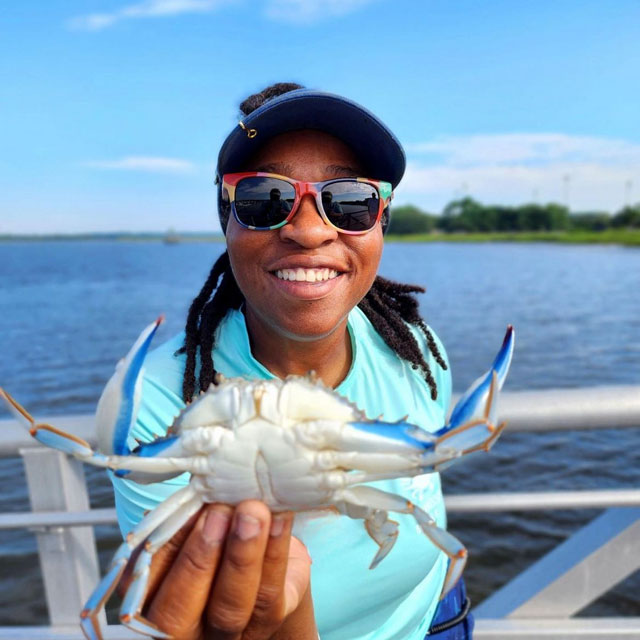
On the Docks: Crabbing with Tia Clark
The Experience: Sea to Table: Crabbing & Cooking in the Lowcountry
Tia Clark was born and raised in Charleston but never had access to the water growing up. She was 37 before she went crabbing for the first time, with her cousin.
"Even though I was working in food and beverage at the time, I realized I had turned my back on my Gullah Geechee culture," Clark says. "I grew up with my grandparents and my mom cooking crabs. The experience rushed me back, then pushed me forward. I had to be on the water."
In July 2018, Clark launched Casual Crabbing with Tia on Airbnb, a land-based crabbing experience for Lowcountry visitors. Today it's ranked among the top Airbnb experiences in the world, with nearly 700 five-star reviews.
"There is nothing more Charleston than catching your own blue crab and eating it," Clark says. “Sharing this experience and the traditional way of catching crabs from the land is my way of preserving Gullah Geechee culture here in Charleston.”
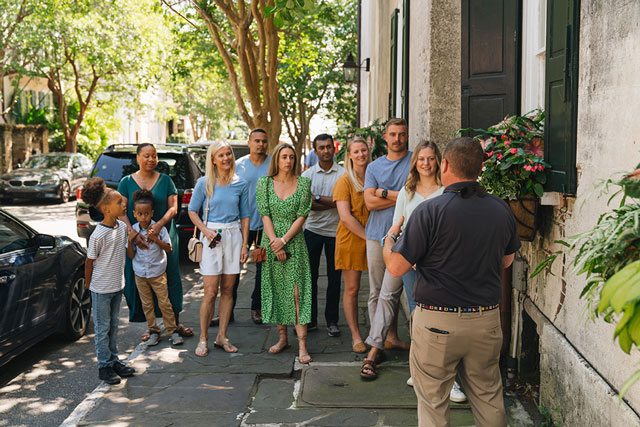
Through the Streets: Uncovering History with Bulldog Tours
The Experience: The American Revolution in Charleston Tour
Charleston is beautiful on its own. But once you understand the stories behind the streets, buildings, and people, the city takes on new meaning—exactly what Bulldog Tours offers on its walking tours.
"A good tour gives people context," says John LaVerne, founder of Bulldog Tours, which runs food, history, and ghost tours. "Visitors don't just see Charleston—they understand why it's unlike anywhere else and how it helped shape American history."
For the 2026 festival, Bulldog created an exclusive tour commemorating South Carolina's 250th anniversary, giving guests a rare chance to experience Charleston's revolutionary past in the places where it unfolded.
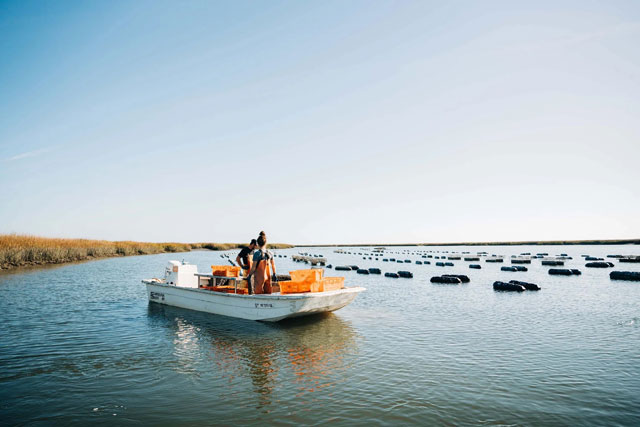
Off the Coast: Oyster Farming with Lowcountry Oyster Co.
The Experience: Lowcountry Oyster Farm Tour
Rather than drawing from Charleston's dwindling wild oyster populations, Lowcountry Oyster Co. is a 100 percent sustainable farm that only takes out what it puts into the water.
"Every oyster we harvest begins in our own hatchery, where we spawn and produce the seed ourselves," says founder Trey McMillan. "That means we're creating oysters rather than harvesting from wild populations, so we never deplete natural stocks."
McMillan designed an up-close coastal experience exclusive to the Classic: a tour of the hatchery, a boat trip to see modern oyster farming in action, and an on-site oyster tasting.
Elevating an Entire Community, One Event at a Time
When visitors sign up for one of the Classic's signature experiences, the benefits reach far beyond a single weekend—because the businesses behind them are devoted to building a better Charleston for future generations.
On the water, Clark is preserving not just her Gullah Geechee culture but the estuaries themselves. "We've raised $200,000 for the Department of Natural Resources in fishing licensing fees," she explains. "Visitors are getting a crabbing experience, but they're giving back to our estuaries. I've created a sustainable loop that's pretty amazing."
On land, Bulldog Tours has donated more than $7 million in revenue toward preserving Charleston's historic landmarks since opening in 2001. But the real magic happens on the docks, in the harbor, or walking in the streets, LaVerne says.
"Our guides are often one of the first locals with whom visitors spend real time, so in many ways we're Charleston's ambassadors," LaVerne says. "We want people to leave with a deeper appreciation for the city's history, but also with an incredible visit. If someone finishes one of our tours excited to explore more, dine at a local restaurant, visit a museum, or come back again, that's a win for Charleston."