Keeping the Lowcountry Wild
05 Jan 2026
Wildlife organizations, landowners and government agencies cooperate to conserve the Lowcountry’s hunting heritage
Charleston Living Magazine January-February 2026
Written By: by Dana W. Todd | Images: Photos courtesy of LDWF; Ducks Unlimited; National Deer Association; Monte Loomis; National Wild Turkey Federation; Travis Sumner, SC Wildlife Partnership
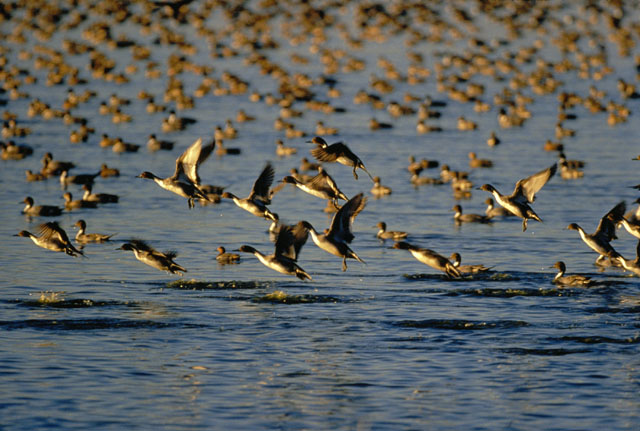
At sunrise, when the marshes glow golden and the South Carolina Lowcountry tides continue their steady in-and-out breath, every nook of the great outdoors shelters hidden life. Yet beneath this beauty lies a fragile balance. Lowcountry conservation leaders say 2026 is the year they will continue to implement plans to protect the places and species that define the region’s wild identity.
Hunters and landowners are a big part of this conservation effort, volunteering alongside non-profit wildlife organizations and government agencies to bolster the area’s teaming life of waterfowl, deer and wild turkey, plus a host of other species that indirectly benefit from conservation efforts aimed at these groups.
Ducks Unlimited
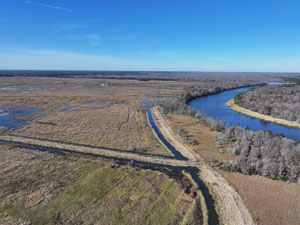
The grandaddy of conservation organizations, Ducks Unlimited (DU) was founded in 1937 to protect wetlands and the ducks, other birds, fish and amphibians that rely on them. This year, DU continues its conservation efforts by striking additional partnerships with private landowners and deepening its work with government agencies such as the SC Department of Natural Resources and U.S. Fish & Wildlife Service. According to DU’s Southeast Director of Conservation Programs, Emily Purcell, the organization started working in South Carolina in the late 1980s, helping private landowners complete the legal documents required to put their lands in conservation easements, forever protecting them from development and saving them for nature’s creatures. In the Lowcountry of South Carolina alone, DU has protected more than 140,000 acres via conservation easements.
In 2026, there are several more conservation easements in the works to protect Lowcountry lands. “Coastal South Carolina is a priority for Ducks Unlimited, determined by the amount of waterfowl habitat and the fact that the area is in the Atlantic Flyway migratory path,” says Purcell. Through partnerships with government agencies, DU is
restoring historic rice fields and wetlands that will once again grow native crops and vegetation on public lands and help mitigate flooding. She adds, “DU is committed to working with public agencies to restore and enhance wetlands in the state to support both wildlife and people.”
National Deer Association
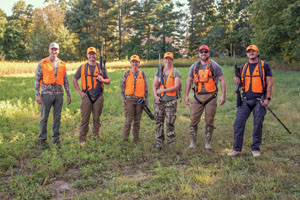
When do deer sleep? It’s one of those unusual questions the staff of the National Deer Association (NDA) take by the horns (or antlers). It’s nearly impossible to find an organization with more information about all aspects of wild deer hunting than the NDA. The organization offers a full YouTube channel, an active Instagram page, and an online article repository of detailed explanations on how to hunt deer, improve fields and forests where they eat and live, best practices when hunting, and herd management itself—all free of charge. While it only has one statewide chapter in South Carolina, its national resources are applicable to Lowcountry hunters. “We put a strong emphasis on educating hunters about deer disease issues and have had great success through our Field to Fork program recruiting adult hunters, who have never hunted, and teaching them how to hunt on their own,” says Brian Grossman, NDA’s communications director.
The NDA is working on a Lowcountry initiative to improve hunter access to 3,500 acres of public lands in Francis Marion National Forest. Latest updates report it has completed 60 acres of timber stand improvements and 43 miles of road improvements, among other projects. The initiative continues in 2026.
National Wild Turkey Federation
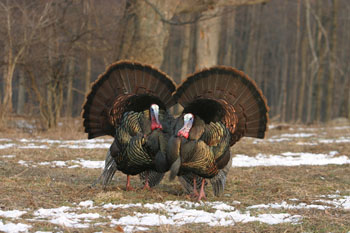
With two goals in mind—conserving wild turkeys and preserving the heritage of hunting in our country—the National Wild Turkey Federation (NWTF) has greatly expanded since its launch in 1973. With national headquarters in South Carolina, the organization has always been active in our state. Today, its focus is primarily on providing funding to help other non-profit wildlife organizations and government partners manage public hunting lands that are sacred haunts of the wild turkey. “Even though our practices focus on wild turkey habitat enhancement, 95 percent of what we do benefits multiple species,” says NWTF District Biologist Ricky Lackey.
This year in the Lowcountry, NWTF will kick off a three-year project in the Francis Marion National Forest to actively manage acreage, including cleaning up old fields by establishing firebreaks that are beneficial for ground nesting birds, setting prescribed fires and thinning timber. NWTF is funding the U.S. Forest Service and Quail Forever in this project. “Whatever funding we provide to other organizations is based on an evaluation of how the project will impact wild turkey populations,” Lackey says.
South Carolina Wildlife Partnership
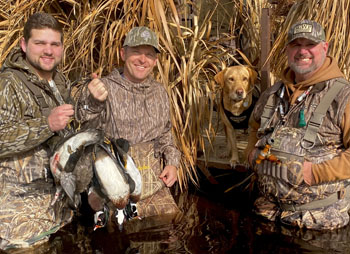
Unlike many of its counterparts who focus on improving wildlife habitat on public lands, South Carolina Wildlife Partnership (SCWP) is on a mission to provide hunting opportunities on private lands by partnering with landowners. The majority of land in the state—92 percent— is privately held, according to SCWP. “We consult with landowners to help them improve habitat on their land and provide services they may need, such as controlled burns. Some of those landowners then trade hunting rights to provide opportunities for hunting on their private land to those who otherwise may not have a chance to go hunting,” explains Ed Paul, executive director of SCWP. The organization then connects those private landowners with hunters.
Our goal this year is to reach more Lowcountry landowners, with the objective of providing even more hunting opportunities, including to newbies who have never hunted before,” says Travis Sumner, SCWP’s state director. The organization also is working on establishing cooperatives among adjacent private landowners who want to join forces to provide a seamless tract of habitat for wild turkeys to roam. “The turkey harvest rate has decreased by 50 percent since its peak in 2002,” Sumner says. “It is up to private landowners who control most of the state’s land to preserve and conserve if we care to hear the gobble of the wild turkey in the future.”