Moving Mindfully in Charleston
07 Mar 2026
From injury recovery to mental resilience, Charleston’s wellness leaders help residents stay active, balanced, and empowered every day
march-april 2026
Written By: Emily O’Brien
From injury recovery to mental resilience, Charleston’s wellness leaders help residents stay active, balanced, and empowered every day
By Emily O’Brien
In Charleston, staying active is a way of life. Paddleboards glide through the harbor, tennis courts stay busy year-round, and morning jogs along the Battery are as routine as the tides. When injury, stress, or imbalance enters the picture, caring for both body and mind becomes essential. Here’s a look at three local practices that approach wellness from complementary angles: either focused on restoring physical movement or training the mind with equal intention.
Moving the Body with Purpose and Precision
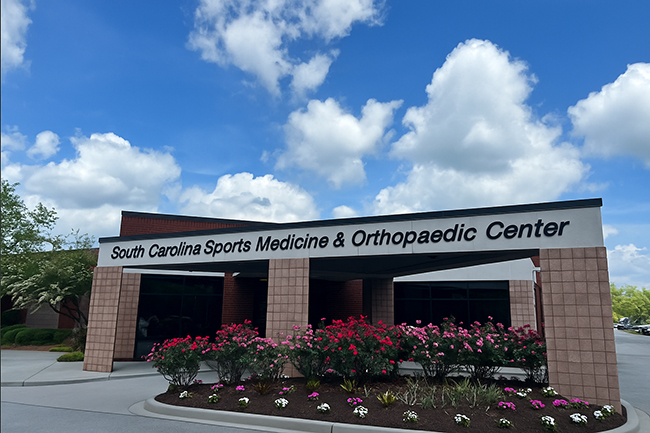
Many people assume sports medicine is reserved for elite athletes. At South Carolina Sports Medicine & Orthopaedic Center, the focus is far broader: helping anyone move well and stay active.
“Sports medicine is really about helping people move well and live active lives, whether that means running marathons, playing pickleball, gardening, or simply keeping up with daily responsibilities,” says Dr. Daniel F. Sullivan. “It focuses on injury prevention, efficient movement, and recovery for anyone who values staying mobile and healthy, not just competitive athletes.”
Overuse injuries are common, especially in the knees, shoulders, hips, and lower back. “Activities like running, golf, tennis, fishing, hunting, and water sports are popular here, and when combined with busy lifestyles, people often push through discomfort longer than they should. Poor movement mechanics or limited mobility can quietly contribute to these issues over time,” notes Dr. Sullivan.
Why Early, Guided Care Matters
Addressing these concerns requires early intervention. “Early, guided movement is essential. When done appropriately, it promotes healing, restores strength and flexibility, and prevents long-term stiffness or compensation patterns. The goal is to keep patients moving safely rather than resting excessively, which actually delays recovery.”
Recovery isn’t just physical. “Mindset plays a huge role. Patients who feel informed, supported, and confident in their plan tend to recover more successfully. Helping people understand their injury and set realistic goals empowers them and reduces fear around movement.”
Dr. Sullivan emphasizes education, proper technique, and individualized rehabilitation. “That includes strengthening weak areas, improving mobility, and building recovery time into routines. Staying active doesn’t mean pushing through pain—it means moving smart and listening to your body.”
For long-term wellness, he stresses the mind-body connection: “Physical activity supports mental well-being, while stress, fatigue, and mindset can directly affect recovery and performance. Long-term wellness is achieved by working on both your mental and physical health, allowing them to complement one another. We strive to help people feel strong, confident, and capable in their bodies.”
Whether bouncing back from an injury or aiming to prevent one, Dr. Sullivan and his team focus on helping Charleston residents regain strength, confidence, and mobility—so they can keep moving with purpose. Scsportsmedicine.com
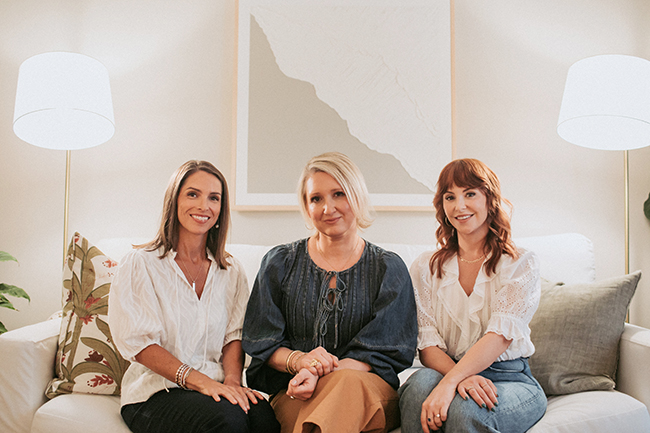
Training the Mind as Intentionally as the Body
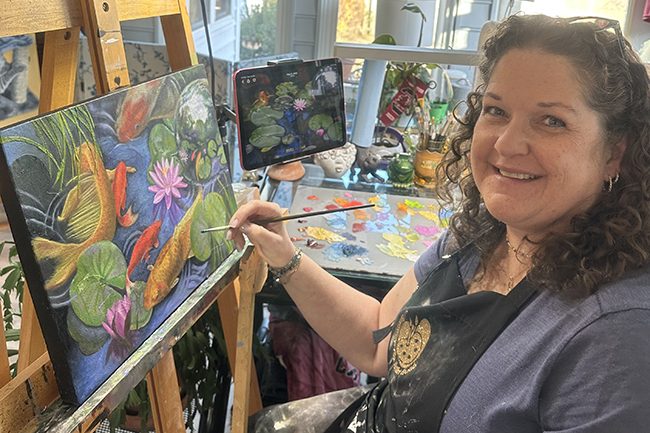
At Andrea Meier, LLC Holistic Wellness Collective, performance is viewed through a wide lens: true wellness comes from caring for mind, body, and spirit as an integrated whole.
Licensed therapist and performance specialist Amanda Spivey, MA, LPC-A, NCC, works with athletes and high-achievers to strengthen not just their bodies, but their inner resilience. “We view mental training the same way athletes train their bodies: to be successful, it must be intentional, structured, and consistent,” she explains.
Tools like visualization, nervous system regulation, positive self-talk, and gradual stress exposure help clients work with discomfort rather than avoid it. “When we learn to harness anxiety instead of fear it, we can move beyond perceived limits and access our highest potential. Often, it’s the mind—not the body—that creates the ceiling,” Spivey says.
When Rest Becomes a Skill
The same principles apply to everyday life. “Whether managing a demanding career or navigating personal challenges, mental training helps individuals respond with intention rather than reaction,” Andrea Meier, MS, LPC, LAC, says. High achievers often struggle less with motivation than with overthinking. By practicing diaphragmatic breathing, mindfulness, and grounding, clients learn to regulate stress and remain present even when the stakes feel high.
“Rather than fighting nerves or self-doubt, the work focuses on noticing and accepting these internal experiences without judgment,” Spivey says. “This shift allows stress to become a source of information and energy, supporting more efficient, consistent performance—both on and off the track.”
Preventing burnout is another core focus. “Burnout usually happens when the nervous system never gets a break. Recovery is a key component to health and long-term wellness,” Spivey notes. Cultivating awareness and practicing regulation techniques helps clients be fully engaged when performing and fully present when resting.
“At Andrea Meier, LLC Holistic Wellness Collective, we emphasize that presence is a form of nourishment. When the mind and body are allowed to truly recover, resilience naturally follows,” Meier says.
For beginners, Spivey recommends starting with awareness. Simple practices like intentional breathing, grounding, and noticing self-talk provide immediate feedback and lasting change. “Mental conditioning starts with paying attention, being curious about yourself, and practicing with intention. From there, growth happens naturally,” she says.
Andrea Meier’s approach shows that strength begins in the mind—and when cultivated intentionally, it flows seamlessly into every step of the body. AndreaMeierllc.com
Helping Everyday Athletes Stay in Motion
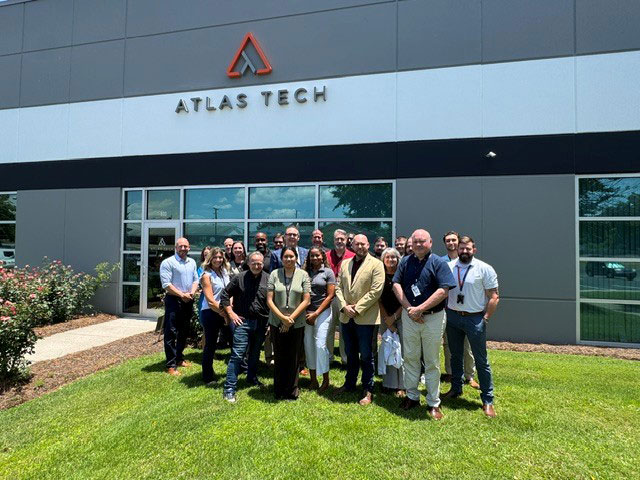
For many people in Mount Pleasant, staying active is simply part of daily life—and sports medicine plays a far bigger role than most realize. At Sports Medicine & Orthopaedic Centers, Dr. Blake Ohlson and Dr. Shane Woolf focus well beyond elite athletes to anyone who wants to keep moving comfortably and confidently. As Melissa Ohlson, MS, RDN, Practice Manager, explains, “We help active individuals of all ages stay healthy and moving.”
From morning walks along the waterfront to afternoons spent on the pickleball court or golf course, Lowcountry residents participate in a wide range of activities year-round. The goal, Ohlson notes, is simple: “Our main mission at Sports Medicine & Orthopaedic Centers is to keep our patients in motion.” That mission centers on treating injuries efficiently while limiting downtime, allowing patients to continue doing what they love.
The injuries seen at the practice often reflect the community’s active lifestyle. Runners commonly present with hamstring, knee, ankle, and foot issues, including plantar fasciitis, Achilles tendinitis, and meniscus injuries. Golfers tend to struggle with shoulder and elbow problems, while tennis and pickleball players frequently experience tennis elbow, shoulder strain, or foot and ankle concerns. These patterns are shaped largely by recreation, rather than the more generalized complaints seen in less active populations.
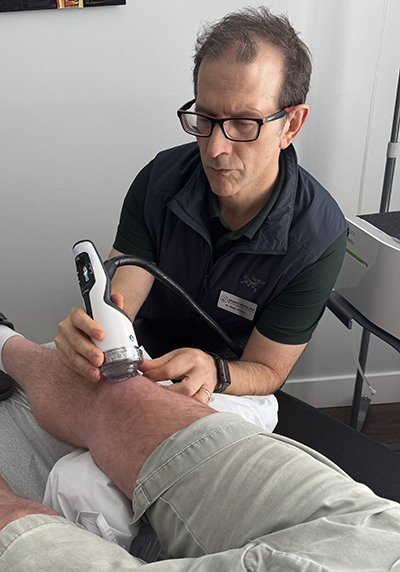
Early evaluation plays a key role in recovery. The practice offers in-office diagnostic ultrasound, allowing providers to quickly assess many injuries. Patients also have access to advanced regenerative treatments such as platelet-rich plasma, bone marrow aspirate concentrate, lipoaspirate, and focused shockwave therapy, along with minimally invasive surgical options when needed. Each approach is designed to support healing while minimizing time away from activity.
Prevention is Part of the Treatment
Preventing injury is just as important as treating it. The team works closely with patients to address lifestyle and nutrition factors that can impact recovery and collaborates with physical therapists to ensure safe, effective movement throughout the healing process. Care plans are tailored to individual goals, emphasizing patient engagement and long-term success.
By combining personalized care, cutting-edge treatment options, and ongoing clinical research, Sports Medicine & Orthopaedic Centers offers a comprehensive approach that helps Mount Pleasant residents stay active—without missing a step. Smocsc.com