Integrating Art with Plants
02 May 2026
Flowertown Garden Center provides homeowners with the expertise needed to interweave garden art with spring botanicals
May-June 2026
Written By: Dana W. Todd
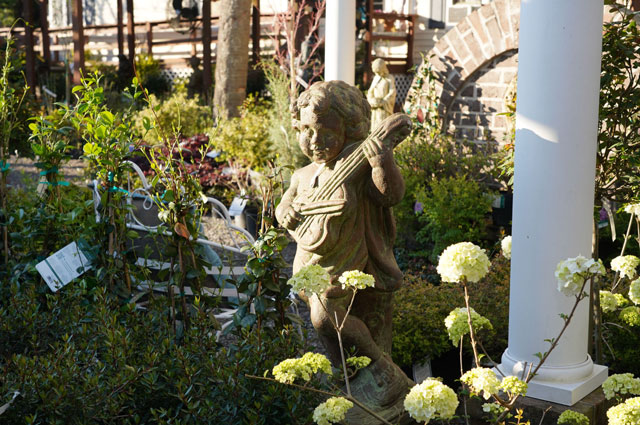
Garden art has a way of turning an ordinary yard into a personal retreat. “A sculpture tucked into a flower bed, a ceramic piece near the entry, or a clematis or Confederate jasmine clambering up a trellis add character and charm to the landscape,” says Charlene Moore, co-owner of Summerville’s Flowertown Garden Center. The secret to garden art that truly feels at home outdoors isn’t the art alone but how plants are used to support and soften it. With spring planting underway, this is an optimal time to blend art and plants in ways that feel welcoming to visitors.
Think of garden art the way you would a favorite picture on a wall: It needs a frame. In the garden, that frame comes from plants. “Spring flowers such as Gerbera daisies, low shrubs like boxwoods, or even containers can guide the eye toward an art piece,” explains Moore. “A simple approach is to surround art with plants whose mature heights are slightly shorter than the piece itself. This creates a sense of intention without hiding the art. For example, a small sculpture nestled among marigolds or impatiens instantly feels anchored rather than dropped into the landscape.” In addition, compact evergreen shrubs act as year-round frames, giving art a consistent backdrop even after spring blooms fade.
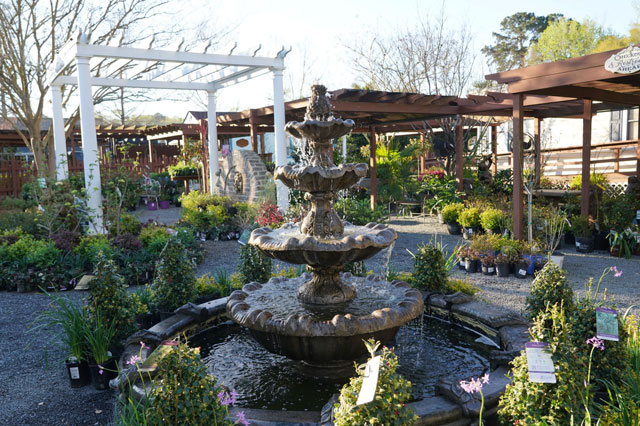
Plants are in and of themselves a living canvas. Leaf shape, texture and color all play a role. Bold art often looks best against simpler plant forms; delicate pieces benefit from softer, layered plantings.
Contrasting plants and art draws the eye toward the composition. Light-colored art pops against dark green foliage, while metal or stone pieces feel warmer when surrounded by feathery grasses or broad-leafed perennials. Placing art within a planting bed rather than on bare ground helps it feel connected to the landscape and less like a standalone decoration.
One of the joys of gardening is watching things change, and garden art displays can evolve along with spring blooms. By mixing early bulbs, mid-season perennials and late spring flowers, homeowners can enjoy an art-focused vignette that looks different every few weeks. “At Flowertown Garden Center, we stock a wide variety of spring perennials and annuals and garden décor across 13 themed specialty shops, with endless possible combinations that make each homeowner’s garden truly special and unique,” Moore says.
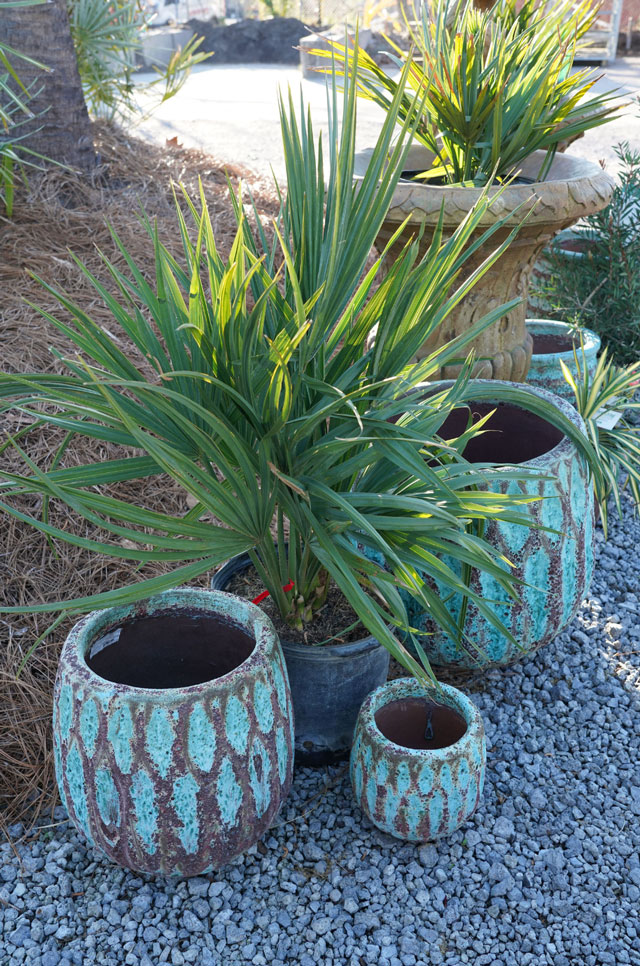
Containers are especially useful for seasonal updates. Pots planted with spring annuals can be swapped out or refreshed as flowers fade, while the art remains in place. Movable pieces, such as smaller sculptures or decorative stakes, can be repositioned as plants grow, keeping the display balanced throughout the season. “Flowertown is happy to provide customers with a customized and curated pot combining botanicals and art, either using their own containers or sourcing one from Flowertown’s deep inventory,” says Moore.
Color coordination helps a garden art display feel polished. A rule-of-thumb is to pull one color from the art and repeat it in nearby plants. A blue ceramic piece might be paired with salvia or purple petunias, while warm-toned metal art looks at home among the yellows and oranges of lantana.
If bold color feels intimidating, neutral art paired with green foliage and white flowers is always an elegant choice. The key is restraint; a limited color palette allows both the plants and the art to be appreciated without competing for attention.
Low-growing groundcovers, such as creeping thyme or a succulent like sedum, soften art’s base and reduce the need for mulch or constant weeding. Ornamental grasses add movement and help art feel less static, especially in breezy spring weather.
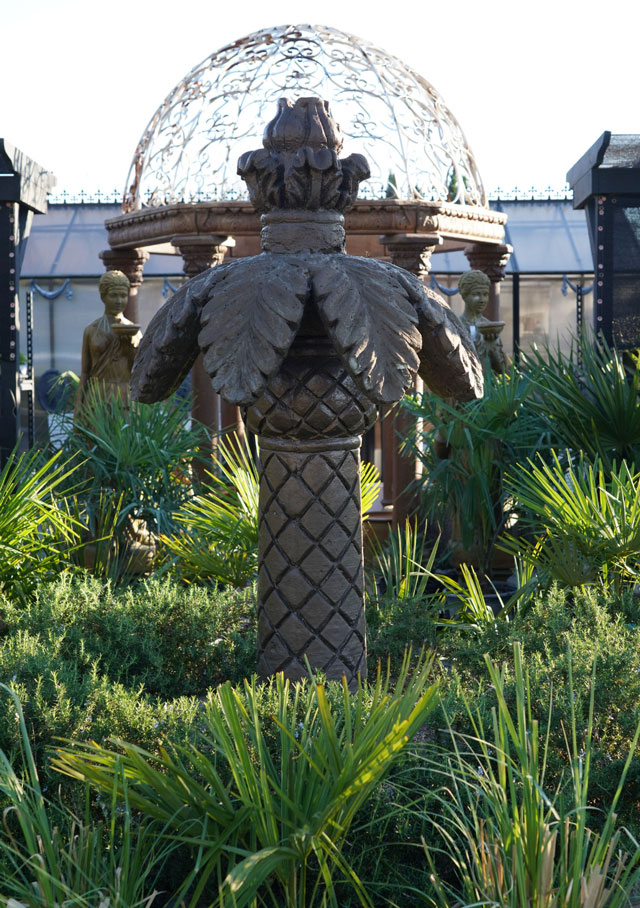
Integrating art with plants isn’t about perfection; it’s about balance. Start with one piece of art and one planting area, then observe how they interact as the season unfolds. Adjust as plants grow and blooms come and go.
When plants and art work together, the garden feels more intentional and more personal. “This spring, let plants do more than fill space. Let them frame, highlight, and soften the art that makes your garden uniquely yours,” says Moore. “Flowertown continues to be a one-stop shopping experience for everything needed to create a special spring landscape—from annuals and perennials to garden art and landscaping supplies like soil and fertilizer.
Visit Flowertown Garden Center at 410 E. 5th N St. in Summerville or at flowertowngardencenterllc.com.